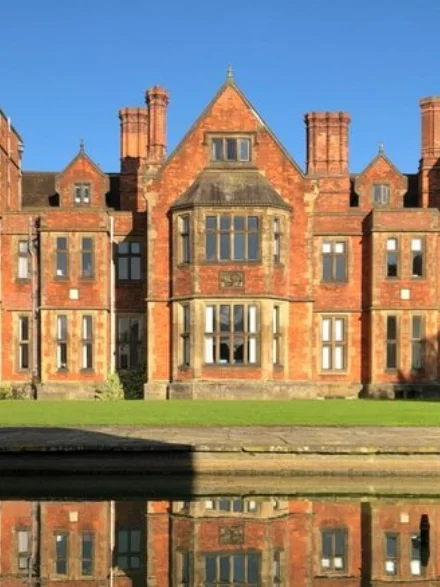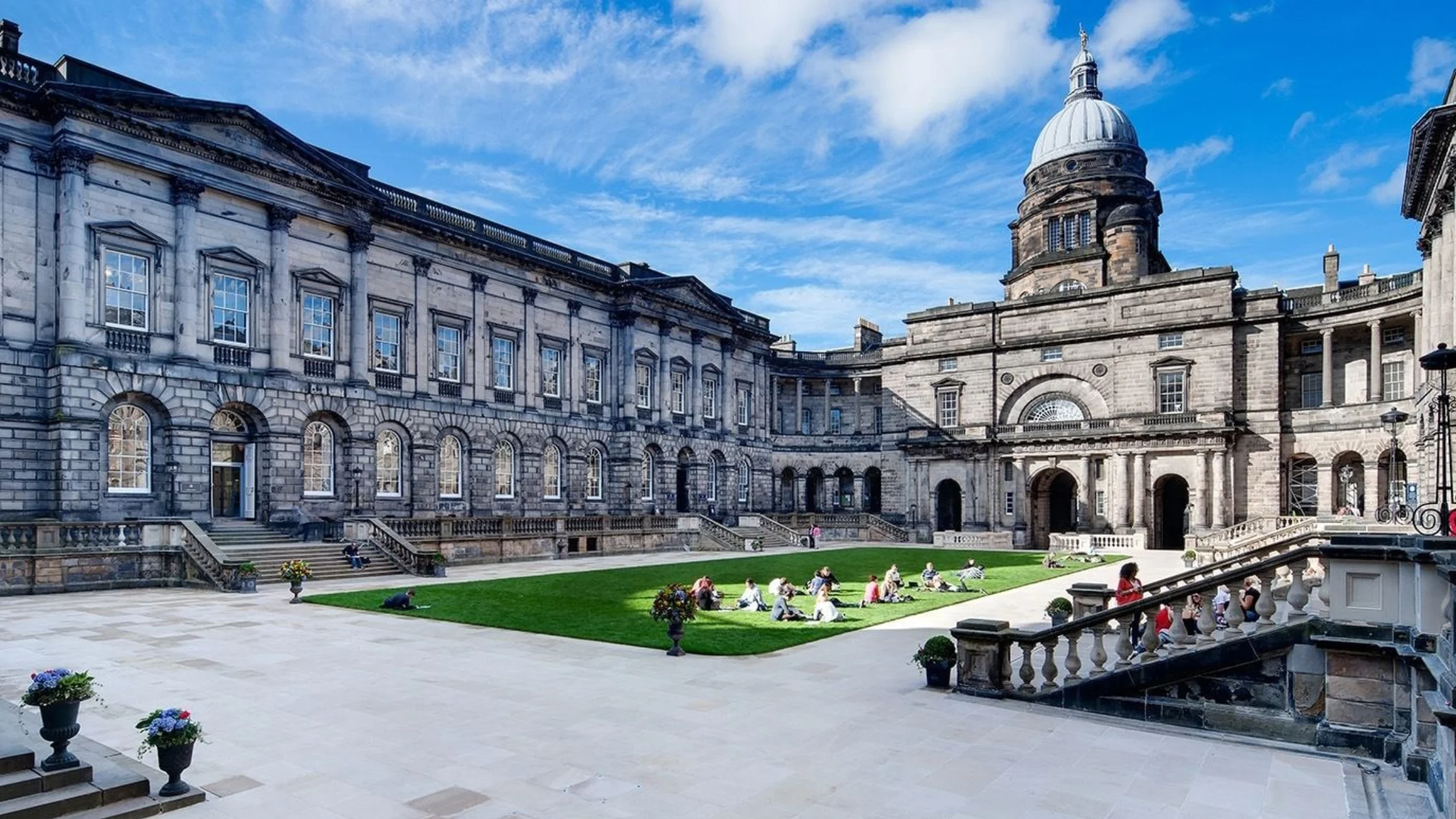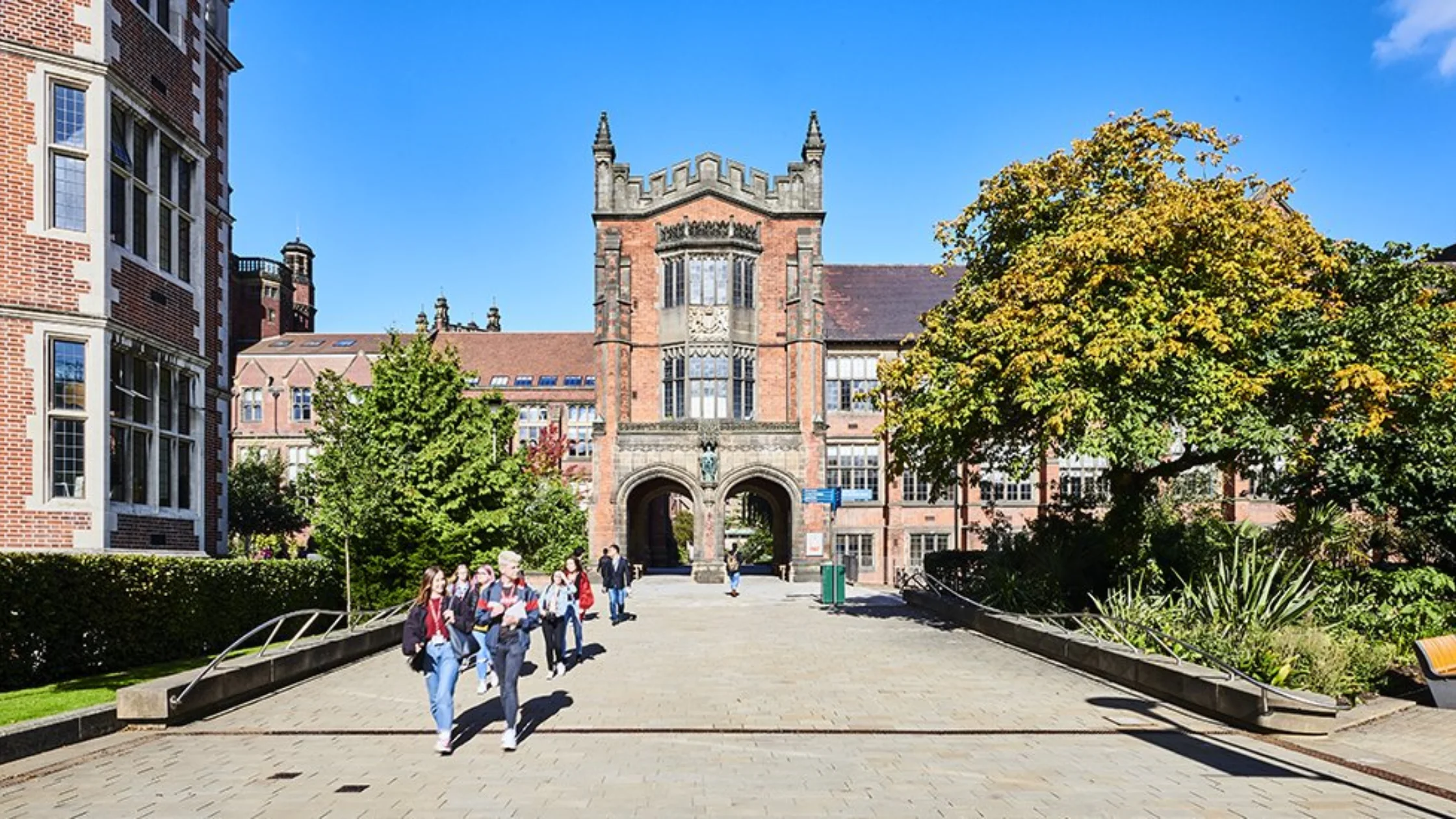
Founded in 1834 and granted a Royal Charter in 1963, Newcastle University is one of the UK's leading Russell Group research universities. Located in Newcastle upon Tyne, England, the university is globally recognised for its academic excellence, research impact, and strong graduate employability. It is ranked among the Top 140 universities in the world in the QS World University Rankings 2026 and is located in one of the UK's Top 5 student cities. Newcastle University is home to more than 29,000 students, including over 7,000 international students from more than 140 countries. The university offers a diverse range of undergraduate, postgraduate, MBA, and doctoral programmes across its faculties, including Engineering, Business, Medicine, Computing, Science, Humanities, and Social Sciences. The university is particularly renowned for excellence in Computer Science, Artificial Intelligence, Engineering, Business, Architecture, Medicine, Dentistry, Data Science, Urban Planning, and Environmental Sciences. With strong links to industry, world-leading research, and excellent career support, Newcastle University is a popular destination for students planning to study in the UK. Whether you're planning to pursue a bachelor's degree, master's programme, MBA, or PhD, this guide provides an overview of Newcastle University admissions, available courses, scholarships, admission requirements, and career opportunities for international students.
| Label | Value |
|---|---|
| Location | Newcastle upon Tyne, England |
| Program Levels | UG · Master's · MBA · PhD |
Which Program Level Fits You?
Newcastle University offers undergraduate, postgraduate, MBA, and research programmes across a wide range of academic disciplines.
| Program Level | Overview |
|---|---|
| Bachelor's (Undergraduate) | Undergraduate programmes in Engineering, Computer Science, Business, Medicine, Architecture, Law, Psychology, Environmental Science, Humanities, and Social Sciences. |
| Master's (Postgraduate Taught) | Advanced master's programmes in Artificial Intelligence, Data Science, Engineering, Business, Finance, Public Health, Architecture, and more. |
| MBA | The Newcastle University MBA focuses on leadership, innovation, entrepreneurship, strategic management, and global business. |
| PhD (Research) | Research-intensive doctoral programmes supported by internationally recognised faculty and world-class research centres. |
Admission Requirements
Admission requirements vary depending on the programme and level of study. Applicants must meet programme-specific academic and English language requirements.
| Requirement | Typical Requirement |
|---|---|
| Academic Qualifications | Programme-specific entry requirements |
| GPA / Academic Scores | Competitive programme-specific requirements |
| IELTS | Generally 6.5+ (programme dependent) |
| TOEFL iBT | Accepted for eligible programmes |
| PTE Academic | Accepted for eligible programmes |
| Other Requirements | |
| Academic transcripts, personal statement, references, and programme-specific documents |
Cost of Attendance
The Newcastle University tuition fees vary depending on the programme and level of study. Students should also budget for accommodation, food, transportation, books, health expenses, and personal living costs while studying in Newcastle upon Tyne. One of Newcastle's biggest advantages is its lower cost of living compared with many other UK cities, making it an affordable destination for international students.
Scholarships & Financial Aid
Newcastle University offers more than 1,000 scholarships for international and EU students across undergraduate and postgraduate programmes. Funding includes merit-based scholarships, country-specific awards, tuition fee discounts, and postgraduate research funding. Popular scholarship opportunities include:
- Vice-Chancellor's International Scholarships
- Global Scholarships
- Vice-Chancellor's Excellence Scholarships
- GREAT Scholarships
- Faculty and School Scholarships
- Postgraduate Taught Scholarships
- Research Council Funding
- Doctoral Studentships
- Research Assistantships
- Department-specific scholarships and bursaries
Many postgraduate research students also receive funding through doctoral studentships, research grants, and faculty-specific awards.
Campus Life & Student Experience
Newcastle University offers a vibrant and welcoming student experience with excellent academic and recreational facilities. Students benefit from:
- More than 160 student societies and sports clubs
- Modern libraries and advanced research laboratories
- Excellent sports and fitness facilities
- Career counselling and employability support
- Study abroad and international exchange programmes
- Entrepreneurship and innovation support
- Volunteering and leadership opportunities
- A city-centre campus with excellent transport links
Newcastle is consistently recognised as one of the UK's best student cities, known for its friendly community, lively cultural scene, affordable living, and excellent quality of life.
Research & Global Reputation
Newcastle University is internationally recognised for research excellence and innovation. Highlights include:
- Member of the prestigious Russell Group
- Ranked among the Top 140 universities globally in the QS World University Rankings 2026
- Strong research in Artificial Intelligence, Computer Science, Engineering, Medicine, Data Science, Urban Planning, Renewable Energy, Environmental Science, and Life Sciences
- Home to internationally recognised research institutes and innovation centres
- Strong collaborations with the NHS, global industries, research organisations, and multinational employers
- Recognised for excellent graduate employability and industry partnerships across the UK and internationally
Visa & Post-Study Work
International students admitted to Newcastle University generally require a UK Student Visa after receiving their Confirmation of Acceptance for Studies. Eligible graduates may remain and work in the UK through the Graduate Route Visa, allowing international students to gain valuable work experience after completing their degree, subject to current UK government immigration regulations.
| Category | Information |
|---|---|
| Student Visa | International students generally require a UK Student Visa after receiving a Confirmation of Acceptance for Studies (CAS). |
| Graduate Route | Eligible graduates may apply for the UK Graduate Route, allowing them to remain and work in the UK after completing their degree, subject to current UK Government regulations. |
How to Apply
Every study level follows a similar application process, although deadlines, admission criteria, and required documents vary depending on the programme.
- Undergraduate — choose your programme — Choose your preferred programme. Apply through UCAS.
- Undergraduate — submit documents — Submit academic transcripts and supporting documents. Meet English language and programme-specific requirements.
- Undergraduate — accept your offer — Receive and accept your admission offer.
- Postgraduate — apply online — Apply through the Newcastle University online application portal. Upload academic transcripts and supporting documents.
- Postgraduate — meet requirements and accept — Meet programme-specific admission requirements. Receive your admission decision. Accept your offer and begin your UK Student Visa process.
- Apply for your UK Student Visa — After accepting your offer, apply for your UK Student Visa.
FAQs About Studying Here
Is Newcastle University good for international students?
Yes. Newcastle University is a leading Russell Group university offering globally recognised degrees, excellent research opportunities, generous scholarships, and a welcoming international student community.
Does Newcastle University offer scholarships for international students?
Yes. Newcastle offers Vice-Chancellor's International Scholarships, Global Scholarships, GREAT Scholarships, postgraduate scholarships, doctoral funding, and department-specific awards for eligible international students.
What English language tests does Newcastle University accept?
The university accepts IELTS, TOEFL iBT, PTE Academic, and other approved English language qualifications, depending on the programme.
How do I apply to Newcastle University?
Undergraduate applicants apply through UCAS, while postgraduate applicants apply through Newcastle University's online application portal.
Can international students work after graduating from Newcastle University?
Yes. Eligible graduates can apply for the UK Graduate Route Visa, allowing them to remain and work in the UK after completing their studies.
Does Newcastle University provide career support?
Yes. Newcastle University offers career counselling, placement opportunities, internships, employer networking events, entrepreneurship support, and dedicated employability services. Students also benefit from strong industry partnerships and excellent graduate employment outcomes.
Get personalized study abroad advice
Chat with our AI advisor about this university guide — tailored to your profile.
Start conversation